Every ad is made to make people feel something. Neurocast predicts what they’ll actually feel, second by second. So you know before it airs.
A synthetic brain, built from real ones.
Neurocast is built on an AI model trained on more than 1,000 hours of real brain scans (fMRI) from over 720 people, responding to video, sound, images and text. It learned how the human brain reacts, so it responds to your ad the way a brain does.
Built on TRIBE v2, the brain-encoding model published by Meta’s AI research lab (FAIR). Read the paper
-
It watches and listens like a viewer.
Every frame and every sound, exactly as your audience would see and hear it.
-
Its synthetic brain reacts, second by second.
It predicts how a human brain responds to each moment of your ad.
-
It turns that into answers.
Seven signals (attention, sound, language, emotion, memory, reward and social connection), read against the moments that matter in an ad: the opening, the story and the brand.
Any creative.
-

TV ads
See the second your story lands, and the second you lose them.
-
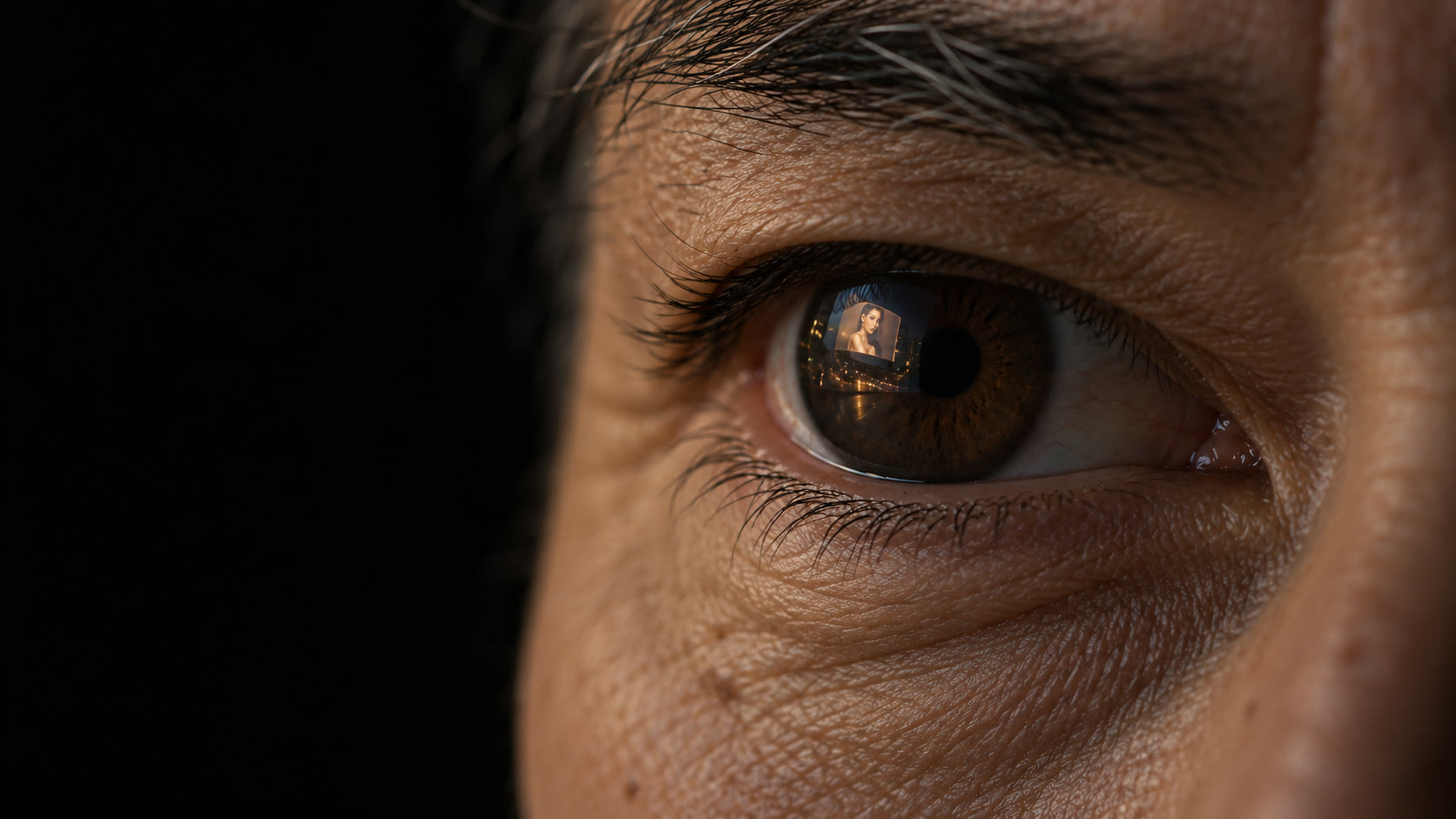
Billboards and print
Know whether a single frame stops people, before it goes up.
-
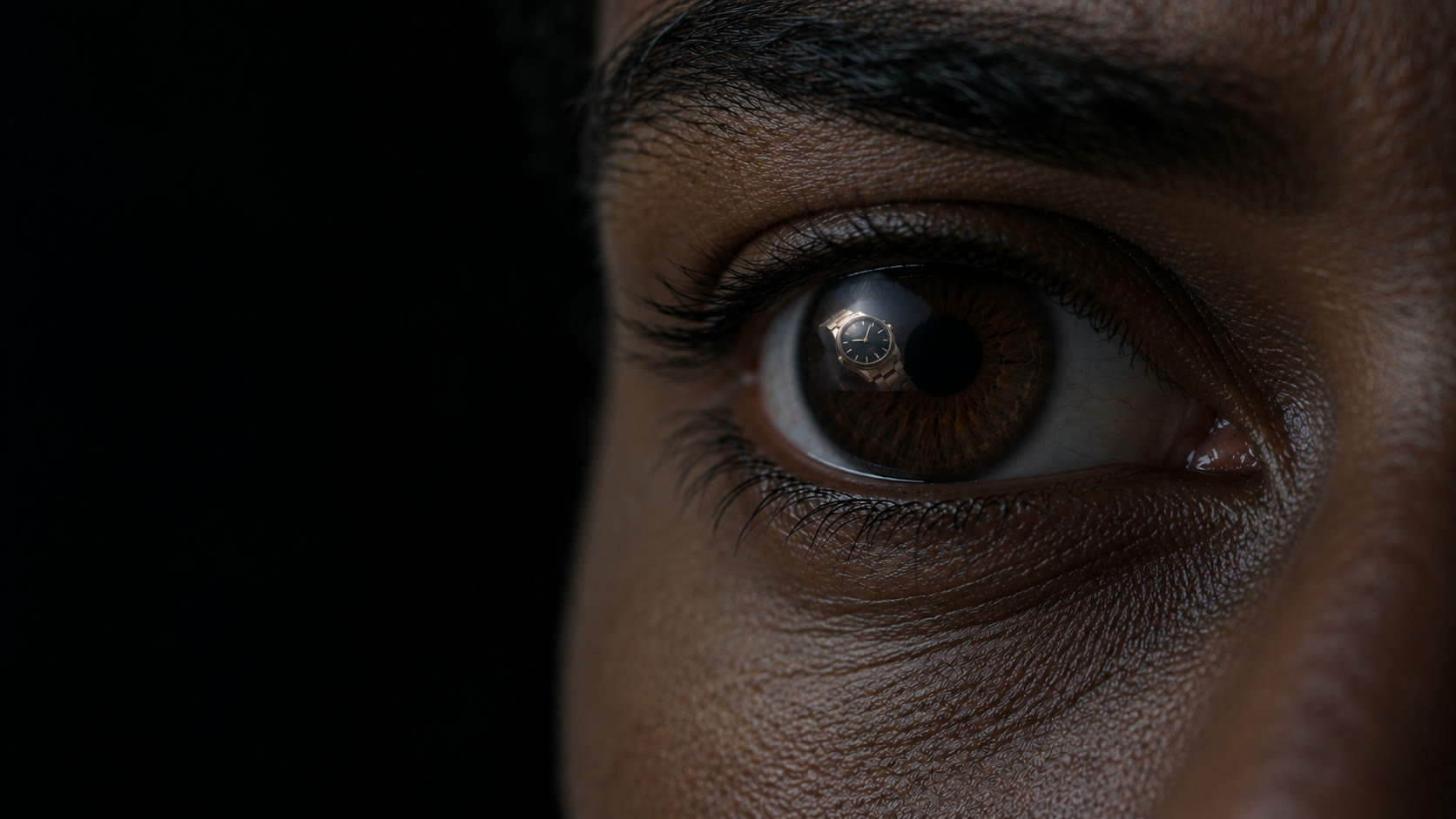
Design and naming
Find out how a product, a design or a name makes people feel.
-
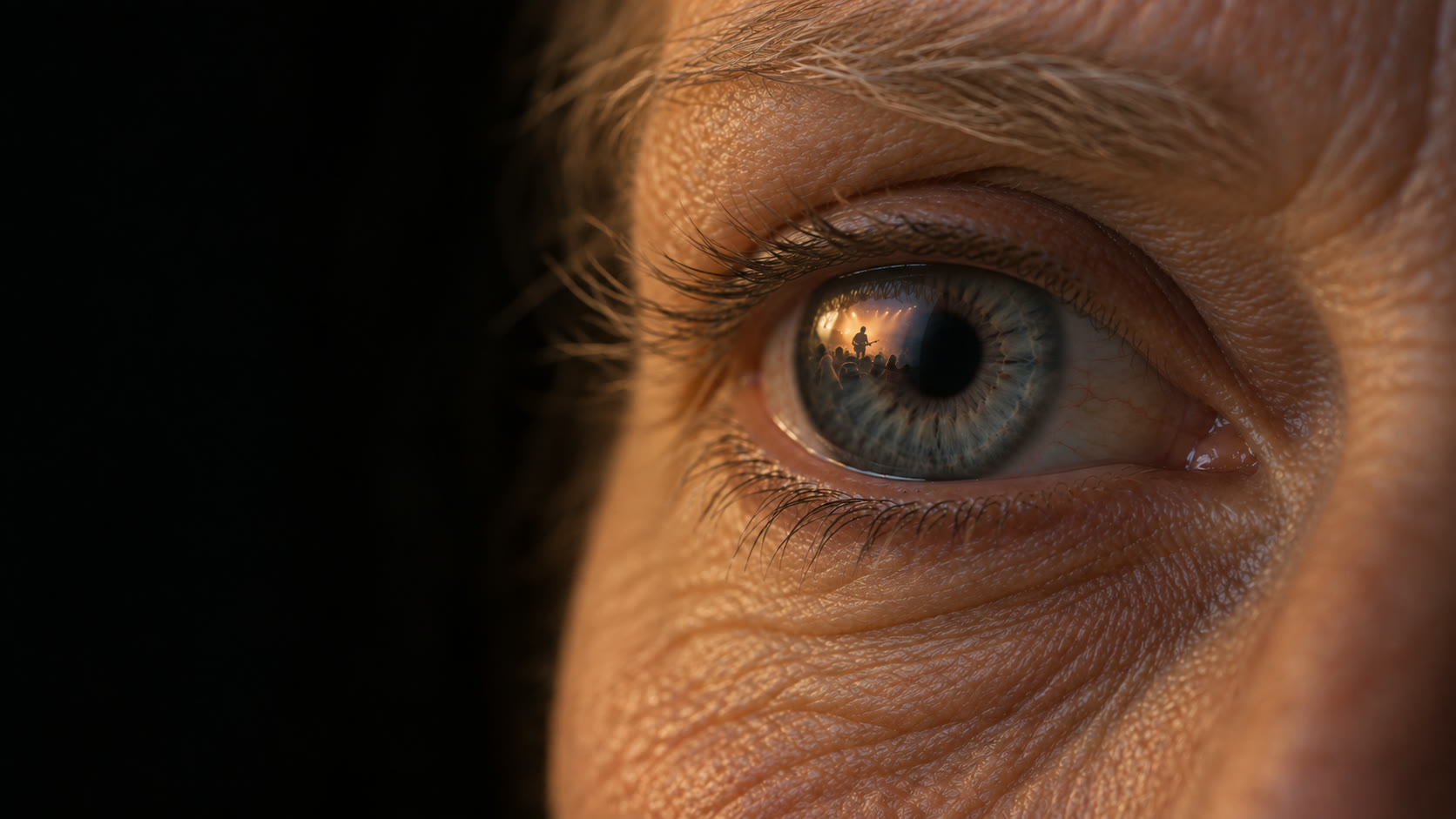
Music and sound
Hear what your soundtrack does to the people listening.
One ad. Every country feels it differently.
What moves people in Italy may not move people in Germany at all. Neurocast calibrates its reading to each market with local results, so you can see how audiences in each country react, before it airs there.
-
 Italy Delighted.
 -
 France Not moved.
 -
 Germany Deeply moved.
Watch where they lean in.
Every ad comes back re-rendered with live attention, emotion and memory traces over the footage, so each peak and drop is tied to the moment that caused it.
| Italy | France | Germany | USA | |
|---|---|---|---|---|
| TV | 81 | 68 | 74 | 77 |
| Social | 58 | 49 | 52 | 61 |
- Opening Pulls a distracted viewer back.
- Story Holds the story.
- Brand Makes the brand stick.
- 0.8 s Weak hook · Social
- 4.0 s Attention up
- 7.0 s Travels across markets
- 10.8 s Emotional peak
- 12.2 s Brand arrives late
Social scores weigh the first seconds more, because that’s where scrollers decide.
From insight to edit.
Every result comes with concrete suggestions: what the audience’s reaction shows, and what you could change in the edit. Your creative team always makes the final call.
-
A silent opening loses them.
Add a sound cue in the first two seconds.
-
The emotional peak lands, but the eyes drift.
Hold the logo on the final frame.
-
Fast cuts tire the eye.
Slow the edit in the middle.
Work with us
your way.
The more campaigns we run together, the sharper Neurocast gets for your audience.
-
Full service
Send us the creative. We run the study and bring you the findings.
-
Assisted
Your team runs the tests. We tune the model with you.
-
Self-serve
Your team uses Neurocast directly, whenever it needs to.
See it on your own creative.
Send us one of your ads. In minutes, we’ll show you how your audience feels, before you spend a euro on media.
Request a demo